

USDT Mining Rewards Distribution: How Stablecoin Earnings Are Allocated Fairly
In stablecoin-based earning systems, rewards only matter when they are distributed clearly and consistently. USDT mining rewards distribution describes the structured process that determines who receives rewards, how much they receive, and when those rewards are delivered. Understanding this process is essential for setting accurate expectations.
What Is USDT Mining Rewards Distribution?
USDT mining rewards distribution is the method by which earned USDT is allocated to participants in mining-style earning models. Unlike traditional mining, where rewards depend on block discovery, distribution here follows predefined rules based on participation parameters such as allocation size and time.
Core Distribution Models
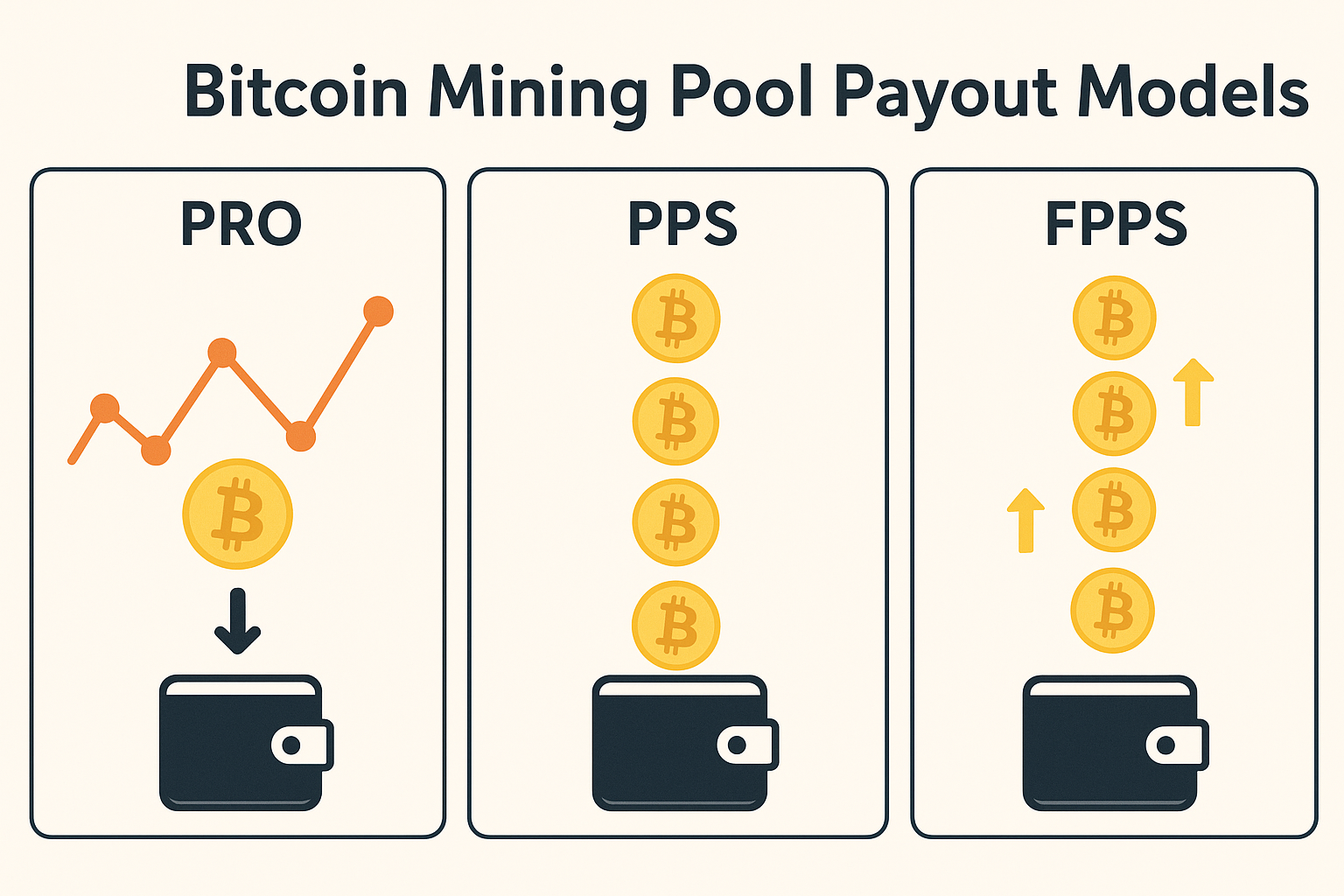
Most USDT mining systems use one of several distribution approaches:
Proportional distribution, based on allocated USDT
Time-weighted distribution, rewarding longer participation
Cycle-based distribution, released at the end of fixed periods
Each model prioritizes fairness and predictability rather than competition.
Timing and Frequency of Distributions
Distribution timing is a critical part of user planning. Some systems distribute rewards at regular intervals, while others accumulate rewards until a cycle completes. Clear schedules help users manage liquidity and decide whether to reinvest or withdraw.
Automation and Accuracy
Automation plays a central role in USDT mining rewards distribution. Automated calculations and scheduled releases reduce errors and ensure that rules are applied uniformly. This consistency is especially important in stablecoin models where small discrepancies are noticeable.
Transparency and Verification
Reliable systems provide users with access to distribution records, showing amounts, timestamps, and status. Transparent reporting allows participants to verify that distributions align with stated rules, reinforcing trust in the system.
Distribution vs. Advertised Returns
Advertised returns describe potential outcomes, while distribution reflects actual delivery. Evaluating how rewards are distributed—rather than focusing only on percentages—gives a more realistic picture of system performance.
Managing Expectations Through Distribution Clarity
Clear explanations of distribution logic reduce confusion and frustration. When users understand exactly how rewards move from calculation to delivery, they are better equipped to align participation with personal goals.
Conclusion
USDT mining rewards distribution is the final step that turns structured participation into tangible results. By prioritizing clear rules, consistent timing, and transparent records, effective distribution systems support confidence and long-term engagement. In stablecoin earning models, how rewards are distributed matters just as much as how they are calculated.




 京公网安备11000000000001号
 京ICP备11000001号
还没有评论,来说两句吧...